ePORTFOLIO
MRTQ PDN | Technical Assistant Credential
Adult Learning
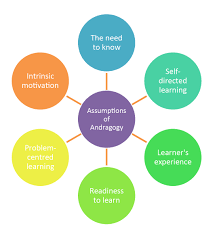
Andragogy is “the art and science of helping adults learn” (Knowles, 1980) The theory is based on six assumptions: Self-Concept, Experience, Readiness to Learn, Orientation to Learn, Motivation to Learn, & the Need to Know.
from Modern Practice of Adult Education: From Pedagogy to Andragogy
Description of Adult Learning Principle
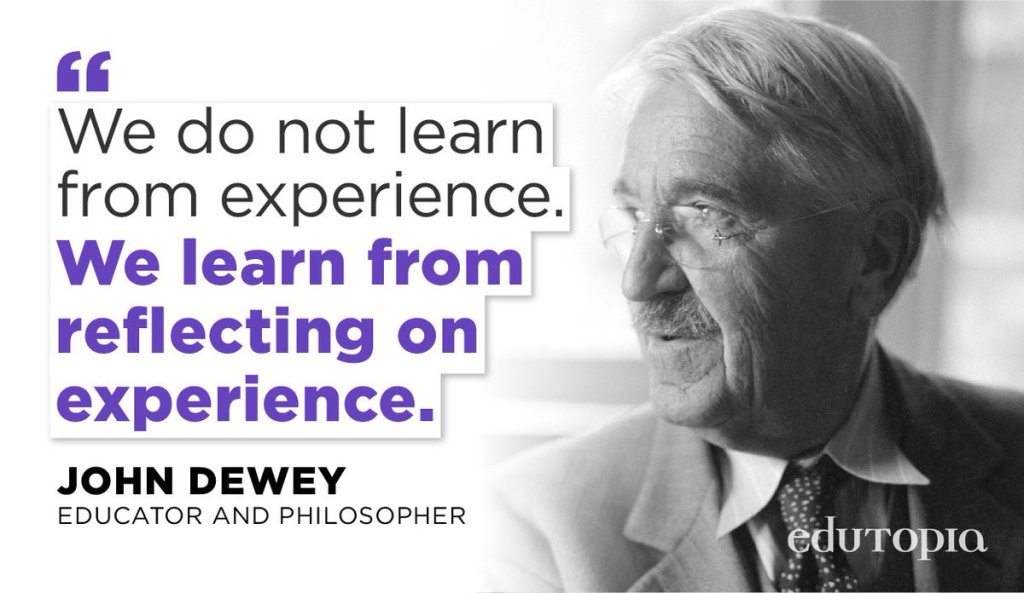
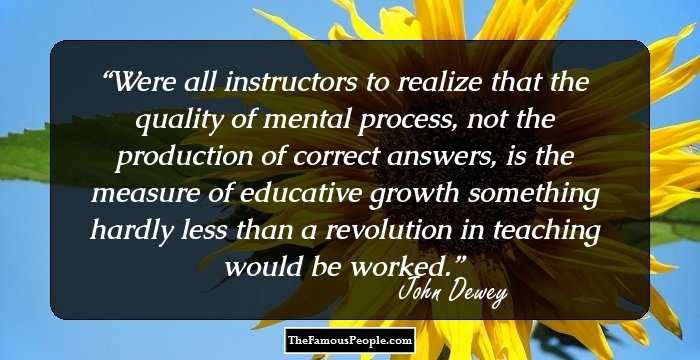
The adult learning principle “Learning from Experience” encourages adult educators to draw from a consultee’s previous experience when preparing for new learning to occur. This process of scaffolding supports learners as they try new methods or incorporate new concepts into practice. Understanding that learners gain most understanding through direct experience it is also necessary for adult educators to create opportunities for hands-on learning to occur. However, simply participating in hands-on learning or relying on past experience is not enough for the learning process to be complete. As John Dewey so aptly stated in Experience and Education (1938); “We do not learn from experience… we learn from reflecting on experience.” While experience is essential to the learning process, the process of reflecting on our experiences is where the true learning occurs.
In order for my TA partners to get the most out of their experiential learning, both prior and present, I would ensure that my TA partners and I would engage in a reflective questioning process. This would help illuminate how past experiences impact the actions and thought process of the parties involved with the consultation, both in the past and as the learner moves forward and adapts to change. To apply experiential learning in the TA process, the goals for the consultation need to be linked with actionable steps that allow the TA partner(s) to try new strategies, create new systems for support, or experience a new method of practice. Tools that would enhance this process would include pre-written questions for guided reflection or guided observations. These can be used to link experiences, past and current, to new learning concepts.
Overall, I would seek to have my TA partner(s) take on tasks that provide them opportunities to gain direct experience and also reflect on these experiences. The experiential learning process sounds like inquiry – discussions, questioning, wondering, and making connections. It involves at least two people working together and dedicated time to think. My efforts would be to provide support for the consultees to get the most benefit from learning through their experience – dedicated time, reflection, feedback, resources, mentoring, discussions – to help changes in practice become permanent and goals to be reached.
 ePORTFOLIO